
Prefab houses are no longer just boxy structures for people on a budget. At https://www.die-wg-boerse.de/tipps/20241212_38478/, you’ll learn that with the right design vision, they’re stylish, eco-friendly, and surprisingly durable. Top architects are taking modular concepts and reshaping them into homes that feel anything but ordinary. If you’re curious about how these designs are being reimagined, read on.
Prefab Homes Reimagined for Modern Living
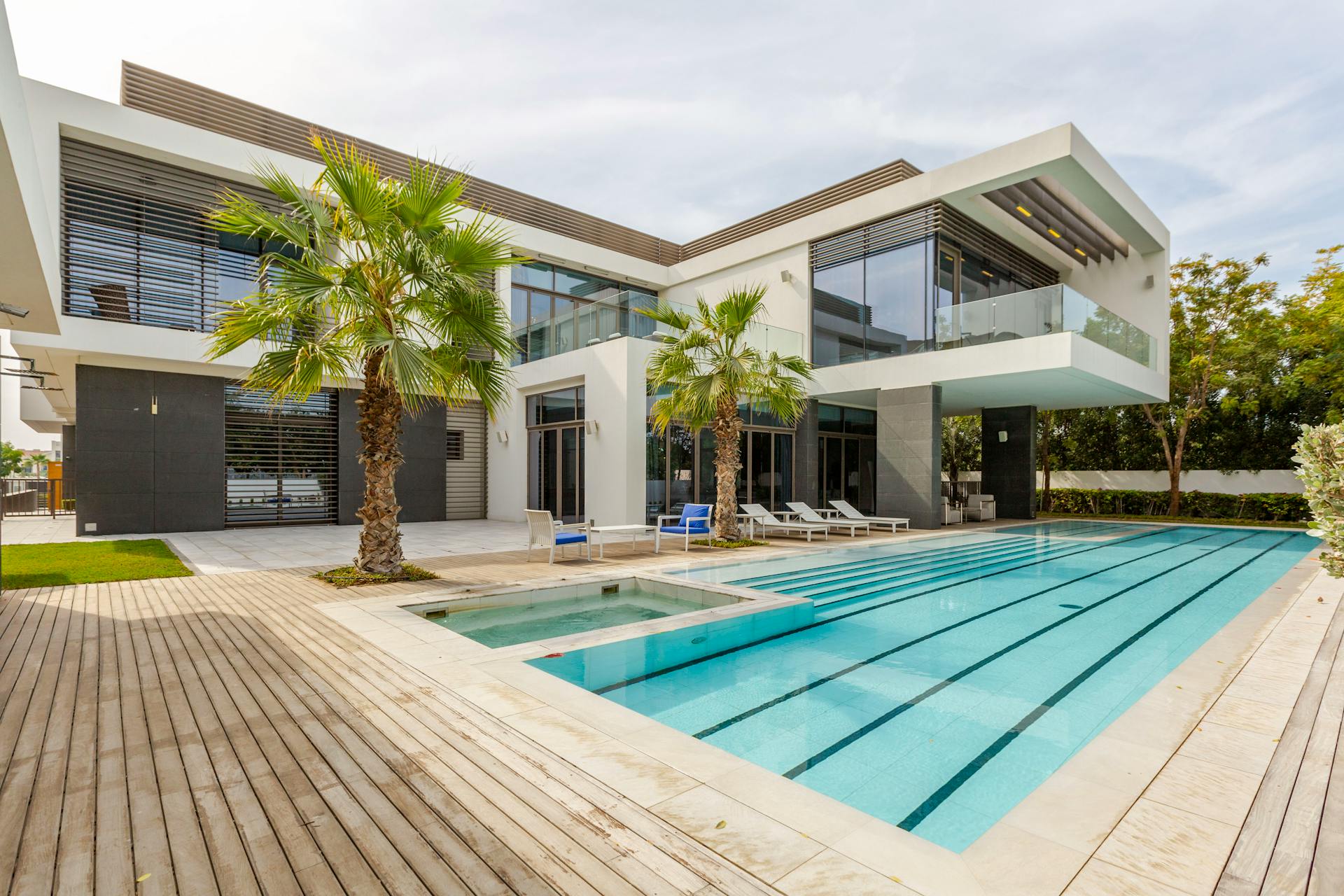
Architects today treat prefab housing as a canvas for creativity. Instead of rigid, cookie-cutter layouts, we’re seeing wide glass panels, open-plan interiors, and bold materials. Many homes include smart features, but without tech overload that complicates life. The goal is simple: functionality and beauty rolled into one structure.
This reimagining also challenges the old stigma attached to prefab homes. For years, they were seen as temporary solutions or uninspired shelters. Now, architectural firms are proving that modular housing can compete with custom builds in both style and comfort. What once looked flat now looks like a magazine cover.
Sustainable Design That Lasts

One of the strongest appeals of prefab construction is its alignment with eco-conscious living. By controlling production in factories, waste is reduced, and energy efficiency becomes easier to achieve. Recycled wood, solar panels, and rainwater collection systems are being seamlessly integrated. Sustainability is no longer a buzzword but a foundational principle. Durability is another win. Prefab doesn’t mean fragile—it means precision. These homes often withstand weather shifts better than traditional houses thanks to consistent quality standards. It’s proof that sustainability and strength can live under the same roof.
Architectural Details That Elevate Style
Good design lives in the details, and prefab homes are no exception. Wide verandas, high ceilings, and flexible interior walls create spaces that adapt to changing needs. Clever storage tricks mean you can maximize square footage without sacrificing comfort. A prefab home feels practical but also surprisingly stylish. Architects are also playing with textures and tones. Think steel frames mixed with warm wood accents or concrete softened by soft lighting. These touches transform prefab from plain to polished. It’s like giving a simple outfit designer accessories—the transformation is immediate.
Affordability Meets High Design
Prefab construction makes good architecture more accessible. With streamlined production, costs drop without quality taking a hit. This opens the door for more people to own homes designed by respected architects, something that used to feel out of reach. The blend of affordability and creativity is what makes this trend powerful.
There’s also a speed advantage. Unlike traditional construction, which can drag on for months or years, prefab builds are often move-in ready much faster. Imagine getting a well-designed home in a fraction of the time—it’s efficiency with style attached. That’s a major appeal for today’s homeowners who want both design and convenience.
The Future of Prefab Living

As architects keep experimenting, prefab homes will continue breaking stereotypes. They’re not just backup housing solutions—they’re main characters in residential design. Expect more integration of green tech, flexible layouts, and visually striking exteriors. What was once predictable is now cutting-edge. For buyers, the future looks promising. Prefab homes bring together the things people value most: style, durability, and eco-friendliness at a price point that doesn’t feel impossible. The question isn’t if prefab is the future—it’s how soon you’ll see one on your street.