

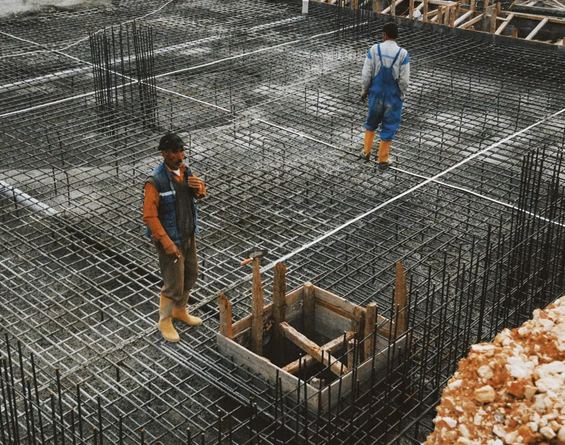
Why Foundation Waterproofing Begins Before Concrete Is Poured
A home’s foundation supports every part of the structure above it. Because it remains in constant contact with the ground, it is also exposed to moisture throughout its lifetime. Rainwater, groundwater, and damp soil can place continuous pressure on foundation walls and slabs. Many homeowners assume waterproofing happens after the concrete has fully cured, but effective protection actually begins much earlier. Proper planning before the concrete is poured helps reduce future moisture problems while improving the long-term performance of the entire structure. Waterproofing involves more than applying protective coatings. It includes preparing the site, managing drainage, selecting suitable materials, and preventing water from reaching vulnerable areas from the beginning. Understanding why foundation waterproofing begins before concrete is poured explains why early preparation remains one of the most important steps in residential construction. To know more, visit https://deavita.com/gartengestaltung-pflege/haus-garten/baukosten-schock-2026-so-planen-sie-ihr-traumhaus-in-deutschland-clever-budgettreu-1920650.html.
Preparing the Building Site

Successful waterproofing starts with proper site preparation. Before construction crews pour concrete, they evaluate the land to understand how water naturally moves across the property. Grading plays an important role because the surrounding soil should direct water away from the future foundation rather than allowing it to collect nearby. Contractors also remove loose materials and prepare stable ground before excavation begins. Proper preparation creates conditions that support both structural stability and effective moisture control. Beginning waterproofing during site preparation helps reduce future water-related concerns before the foundation is even installed.
Managing Groundwater Movement
Water beneath the surface behaves differently from rainfall. Groundwater can remain present for long periods …