
A home’s foundation supports every part of the structure above it. Because it remains in constant contact with the ground, it is also exposed to moisture throughout its lifetime. Rainwater, groundwater, and damp soil can place continuous pressure on foundation walls and slabs. Many homeowners assume waterproofing happens after the concrete has fully cured, but effective protection actually begins much earlier. Proper planning before the concrete is poured helps reduce future moisture problems while improving the long-term performance of the entire structure. Waterproofing involves more than applying protective coatings. It includes preparing the site, managing drainage, selecting suitable materials, and preventing water from reaching vulnerable areas from the beginning. Understanding why foundation waterproofing begins before concrete is poured explains why early preparation remains one of the most important steps in residential construction. To know more, visit https://deavita.com/gartengestaltung-pflege/haus-garten/baukosten-schock-2026-so-planen-sie-ihr-traumhaus-in-deutschland-clever-budgettreu-1920650.html.
Preparing the Building Site

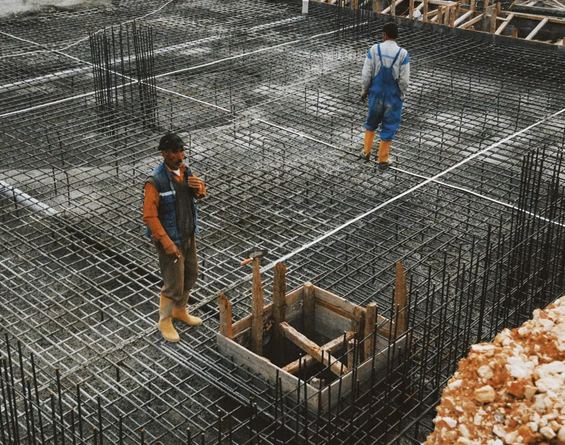
Successful waterproofing starts with proper site preparation. Before construction crews pour concrete, they evaluate the land to understand how water naturally moves across the property. Grading plays an important role because the surrounding soil should direct water away from the future foundation rather than allowing it to collect nearby. Contractors also remove loose materials and prepare stable ground before excavation begins. Proper preparation creates conditions that support both structural stability and effective moisture control. Beginning waterproofing during site preparation helps reduce future water-related concerns before the foundation is even installed.
Managing Groundwater Movement
Water beneath the surface behaves differently from rainfall. Groundwater can remain present for long periods and apply steady pressure against foundation walls if it is not properly managed. Construction teams often install drainage systems before pouring concrete to control this moisture. Drain pipes, gravel layers, and drainage channels help guide groundwater away from the foundation area. These systems work together beneath the finished structure where later installation would be far more difficult. Managing groundwater before foundation construction provides long-term protection while reducing the likelihood of moisture entering the building below ground level.
Installing Protective Barriers

Foundation waterproofing includes protective barriers that separate concrete from surrounding moisture. Many of these materials must be placed before or during foundation construction. Moisture barriers beneath concrete slabs help reduce water vapor from moving upward into finished living spaces. Certain waterproof membranes also protect foundation walls before backfilling occurs. Installing these systems early allows complete coverage while structural components remain fully accessible. Once construction progresses, many of these protective areas become difficult or impossible to reach without major excavation. Early installation provides more complete and reliable protection.
Protecting Concrete Performance
Concrete is a durable construction material, but it remains affected by moisture throughout its service life. Water can enter small pores or cracks if adequate protection is not provided during construction. Beginning waterproofing before the concrete is poured helps reduce future moisture exposure from both below and around the structure. Proper curing conditions and moisture management support stronger concrete performance while limiting conditions that may contribute to deterioration over time. Protecting concrete early improves its ability to perform as intended throughout many years of residential use.
Preventing Future Moisture Problems

Moisture problems inside homes often develop slowly. Water entering through the foundation may eventually contribute to damp basements, mold growth, unpleasant odors, or damage to interior finishes. Preventing these issues is far easier than repairing them after construction has been completed. Waterproofing measures installed before pouring concrete reduce opportunities for moisture to enter the structure from the beginning. Combined with proper drainage and grading, early waterproofing creates multiple layers of protection that continue working long after construction ends. Preventive planning supports healthier and more comfortable living environments.
Supporting Long-Term Building Durability
Every part of a home depends on the strength and stability of its foundation. Long-term durability begins with protecting this critical structural component from unnecessary moisture exposure. Foundations that remain dry generally experience fewer moisture-related maintenance concerns throughout their service life. Waterproofing systems installed during construction help preserve structural integrity while reducing future repair costs associated with water infiltration. Builders recognize that investing time during the earliest construction stages often produces significant long-term benefits for homeowners. Careful waterproofing contributes to a stronger building that continues performing reliably through changing weather conditions and seasonal groundwater fluctuations.
Foundation waterproofing begins before concrete is poured because early preparation supports proper site grading, manages groundwater movement, installs protective barriers, protects concrete performance, prevents future moisture problems, and strengthens long-term building durability. These measures work together to protect one of the most important structural elements of the home. Understanding why foundation waterproofing begins before concrete is poured demonstrates that effective construction depends on planning ahead rather than correcting problems later. Moisture protection becomes far more effective when incorporated into the earliest stages of construction instead of being added after the structure has already been completed. By investing in proper waterproofing from the start, builders create stronger foundations that provide reliable support and long-lasting protection for the entire home.